
My plan to help the people of Beaches-East York focuses on affordability, climate change and creating a better democracy. To that end, I propose a series of measures that would help decrease costs for residents and boost their salaries, while also pressing the Carney government to reinstate its climate policies and stop building oil pipelines, and pushing for proportional representation.
Big Ideas, Real Impact
Making Life Affordable for All
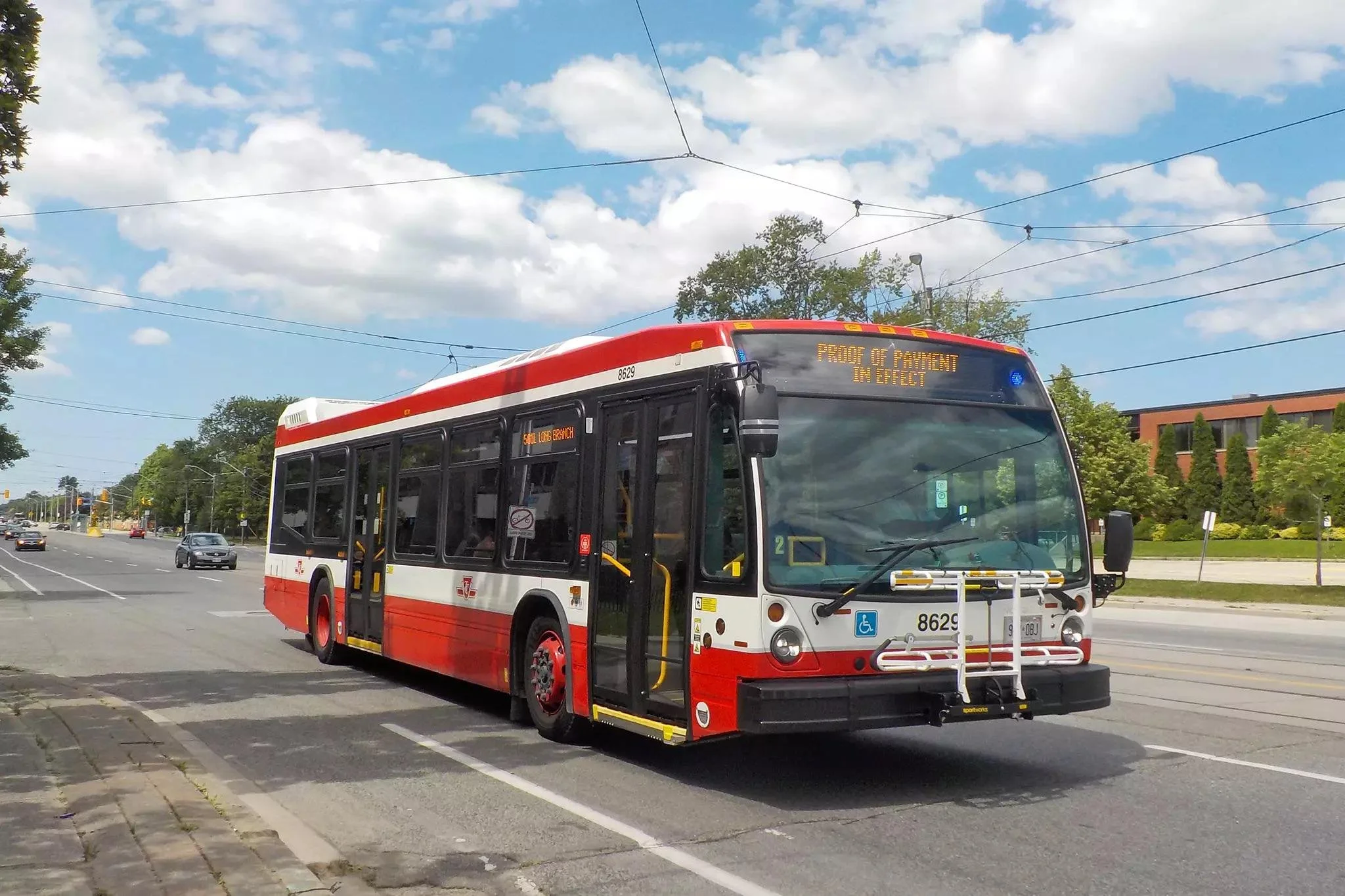
Free Transit
Implementing free public transit offers transformative economic, environmental, and social advantages for urban residents. By removing financial barriers to mobility, cities can create cleaner, more equitable, and highly efficient urban environments.
Financially, free transit serves as a direct economic stimulus for city dwellers. Eliminating fares provides immediate relief to low-income individuals and working-class families, for whom commuting costs consume a disproportionate share of monthly income.
The money saved on bus or train fares is frequently redirected into the local economy, increasing household spending power for groceries, healthcare, and retail. Furthermore, fare-free systems eliminate the need for costly ticketing infrastructure, enforcement, and smartcard administration, allowing cities to redirect those funds into expanding service frequency and route coverage.
Environmentally, fare-free public transit is a powerful tool for combating climate change and reducing urban pollution. When transit becomes completely free, it incentivizes private vehicle owners to leave their cars at home. This shift significantly reduces greenhouse gas emissions, smog, and microscopic particulate matter, leading to cleaner air and better public health outcomes. Decreasing the number of cars on the road also directly alleviates traffic congestion, resulting in quieter streets, faster travel times for surface transit, and a lower frequency of traffic accidents.
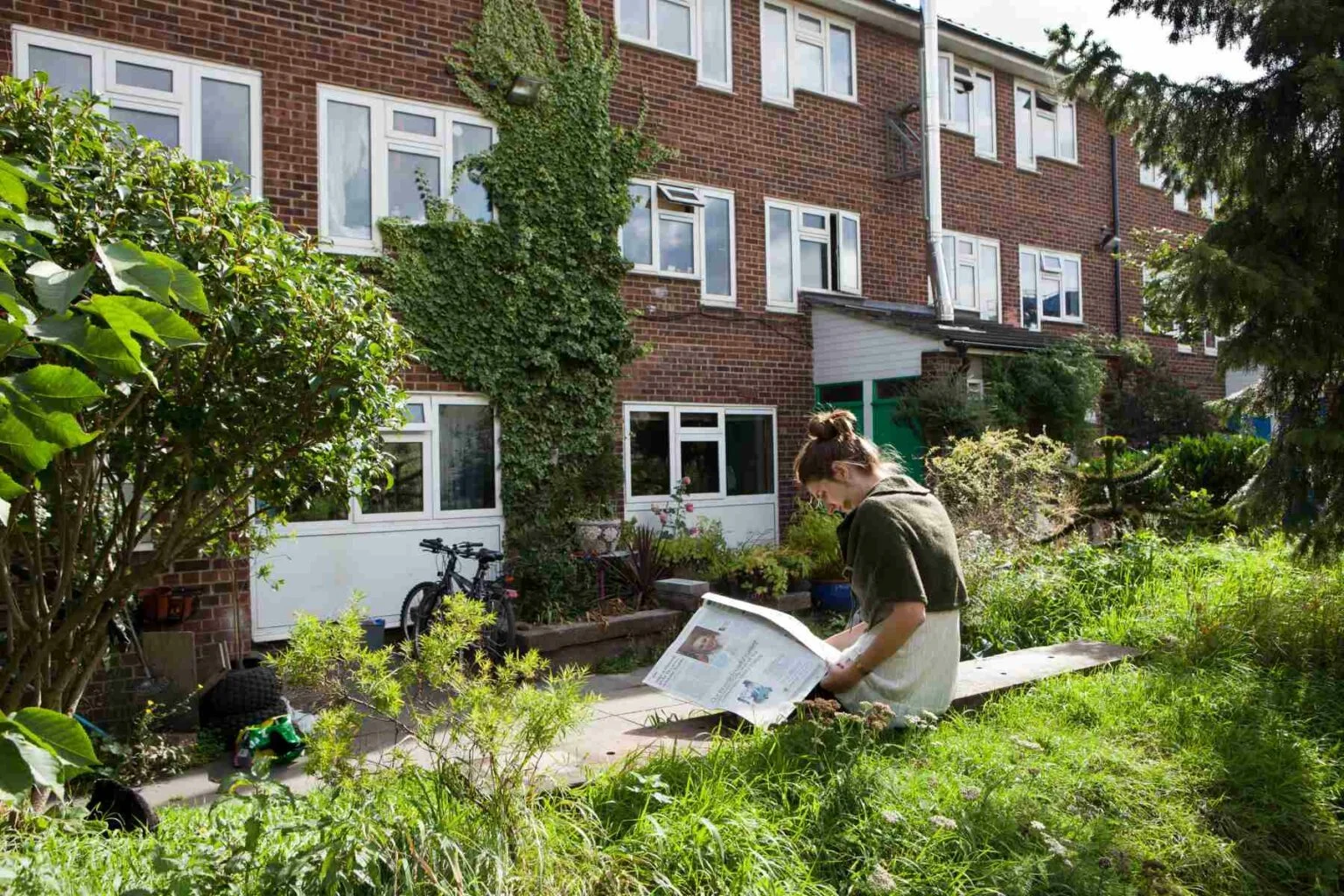
Promoting Affordable and Co-op Housing
Housing co-operatives and affordable housing developments offer profound social, economic, and civic benefits to Toronto’s communities. By prioritizing people over profit, these housing models foster stable, inclusive and deeply resilient neighbourhoods.
Socially, co-op housing builds strong bonds among neighbours. Unlike traditional rentals, co-ops are democratically managed by the residents themselves. Communities become safer and more cohesive as members look out for one another. Furthermore, co-ops intentionally mix various income levels, cultural backgrounds, and age groups. This diversity enriches the social fabric, reduces isolation for seniors, and provides a stable environment for children to grow up.
Economically, affordable housing acts as a powerful catalyst for local prosperity. When families secure housing geared to their income, their risk of eviction and homelessness plummets. This stability keeps families rooted, allowing children to stay in the same schools and parents to maintain steady employment. The money saved on skyrocketing market rents is directly reinvested into the local economy, spent at nearby grocery stores, pharmacies, and small businesses. For the broader municipality, investing in non-profit housing reduces the financial strain on emergency shelters, healthcare systems, and social services.

Fight Oil Industry and Pro-Fossil Fuel Politicians to Address Climate Change
Combating climate change requires a strategic, multi-layered approach to weaken the political and economic influence of the fossil fuel sector. To effectively counter the oil industry and its political allies, efforts must focus on three primary pillars: financial disruption, legal accountability, and grassroots mobilization.
First, financial levers are highly effective at dismantling industry dominance. Individuals and institutions can participate in the global fossil fuel divestment movement, pulling capital out of oil stocks, banks, and insurance companies that fund pipeline projects. Starving the industry of investment capital slows down expansion. Concurrently, consumers can shift demand by adopting electric heat pumps, using public transit, and supporting community solar initiatives, directly hitting the industry’s bottom line.
Second, legal and regulatory frameworks can force institutional change. Environmental coalitions can file strategic lawsuits against oil majors for consumer fraud, greenwashing, or climate damages. Voters must also leverage their political power by supporting anti-lobbying legislation and campaign finance reform. By backing candidates who reject fossil fuel donations, citizens help break the cycle of political capture that results in industry subsidies and weak emissions targets.
Finally, grassroots activism builds the necessary public pressure to force political action. Sustained community organizing, peaceful protests, and civil disobedience can delay or block new fossil fuel infrastructure. Joining local environmental advocacy groups allows citizens to lobby municipal and provincial governments to implement strict net-zero urban planning laws.
Ultimately, defeating the political influence of oil requires replacing it. By building robust, community-led renewable alternatives, the public can prove that a green economy is not only viable but superior, rendering fossil fuel reliance obsolete.
Residents of Beaches-East York face a chronic problem of making ends meet in the face of high inflation and salaries that don’t meet growing costs. Among the policies I would press to address this problem include:
Community and Co-op Owned Grocery Stores
Community and co-op owned grocery stores offer distinct economic, social, and environmental advantages by shifting the focus from corporate profit to community well-being.
Unlike corporate chains that funnel profits to distant shareholders, co-ops keep money circulating locally. They support regional economies by prioritizing purchases from local farmers, bakers, and artisans. This creates a robust local food system and secures fair prices for producers. Profits are either reinvested into the store or returned to member-owners as dividends, ensuring wealth stays within the neighborhood.
Co-ops operate on democratic principles, giving community members a direct voice in business operations. Every member-owner has an equal vote in electing the board of directors and shaping store policies. This structure ensures the store remains deeply responsive to neighborhood needs, whether that means stocking specific cultural foods, offering educational cooking workshops, or providing space for community gatherings.
Co-ops prioritize selling fresh, nutritious, and minimally processed foods at accessible prices. Many co-ops also run food assistance matching programs or offer community discounts to ensure low-income residents can afford healthy groceries.
Sustainability is central to the co-op business model. By sourcing goods from nearby farms, these stores drastically reduce the carbon footprint associated with long-distance food transportation. They also lead the industry in eco-friendly practices, such as offering extensive bulk-bin sections to minimize packaging waste, strict composting protocols, and donating unsold food to local shelters to eliminate waste.

Push to Increase Minimum Wage Significantly to $30 an hour
Ontario currently has a minimum wage of less than $18 an hour, which means people earning a full time salary at this wage would have an annual gross salary of $37,400 and a monthly take home pay of less than $2,600. Given that rents for one bedroom apartments in Toronto average more than $2,200 a month, this is not a liveable salary.
We propose nearly doubling the minimum wage to $30 an hour.
Increasing the minimum wage offers significant economic and social benefits that ripple through households and local communities.
Raising the minimum wage puts more money directly into the pockets of low-income workers. Because these individuals tend to spend a high percentage of their earnings on immediate needs, this extra income creates an immediate injection of cash into local businesses. This increased consumer demand drives economic growth and can lead to a healthy cycle of localized spending.
A higher wage floor serves as a powerful tool to lower poverty rates. It lifts low-wage workers and their families closer to a living wage, reducing the need for government financial assistance. Over time, this helps narrow the income gap between low-earning workers and higher earners, fostering a more equitable distribution of wealth.
When businesses pay higher wages, they often see a notable drop in employee turnover. Reduced turnover lowers the costs associated with recruiting and training new staff. Furthermore, fair compensation boosts worker morale and job satisfaction. This typically results in higher productivity, better customer service, and reduced absenteeism.
Higher earnings allow workers to afford better nutrition, safer housing, and essential healthcare services. Financial stability directly lowers chronic stress levels for families, which leads to improved physical and mental health outcomes. Additionally, it can lead to higher educational attainment for children in low-income households, breaking generational cycles of poverty.
Ultimately, an increased minimum wage promotes a more resilient economy by ensuring that hard-working individuals can better afford the baseline cost of living.